
Half wall paneling, a classic design element, is making a significant comeback, offering a sophisticated and cozy touch to any room.
Far more than just a decorative feature, wainscoting and other paneling styles can add architectural interest, protect walls, and beautifully define a space.
Whether you’re aiming for a traditional look, a modern minimalist vibe, or something uniquely eclectic, there’s a half wall paneling idea that perfectly suits your aesthetic.
Half Wall Paneling Ideas
Dive into these 15 inspiring concepts designed to help you transform your interiors with timeless elegance and charm.
Quick Takeaways
- Half wall paneling is wildly versatile: From classic wainscoting and beadboard to modern fluted designs and geometric patterns, there’s a style for every aesthetic—traditional, contemporary, farmhouse, or industrial.
- It serves multiple purposes: Beyond visual appeal, paneling adds architectural interest, protects high-traffic walls from scuffs and damage, and helps define distinct zones within open spaces.
- Height and proportion matter: Traditional wainscoting typically covers the lower third of walls, but extending paneling two-thirds or three-quarters up (especially on staircases) creates dramatic, grand effects.
- Color strategy transforms impact: Two-tone paneling adds depth, dark hues create moody drama in small spaces, and crisp white brightens rooms while maintaining classic elegance.
Classic Wainscoting in the Dining Room
Embrace timeless elegance with traditional wainscoting in your dining room. This style typically features recessed panels or a combination of trim and molding, adding a formal and sophisticated touch.
Painting the wainscoting in a crisp white or a muted complementary color against a bolder wall hue creates a stunning contrast.
It helps to define the dining area, making it feel more intentional and inviting for gatherings. The intricate detailing also adds a layer of depth and architectural interest that elevates the entire space.
Modern Shiplap in the Living Room
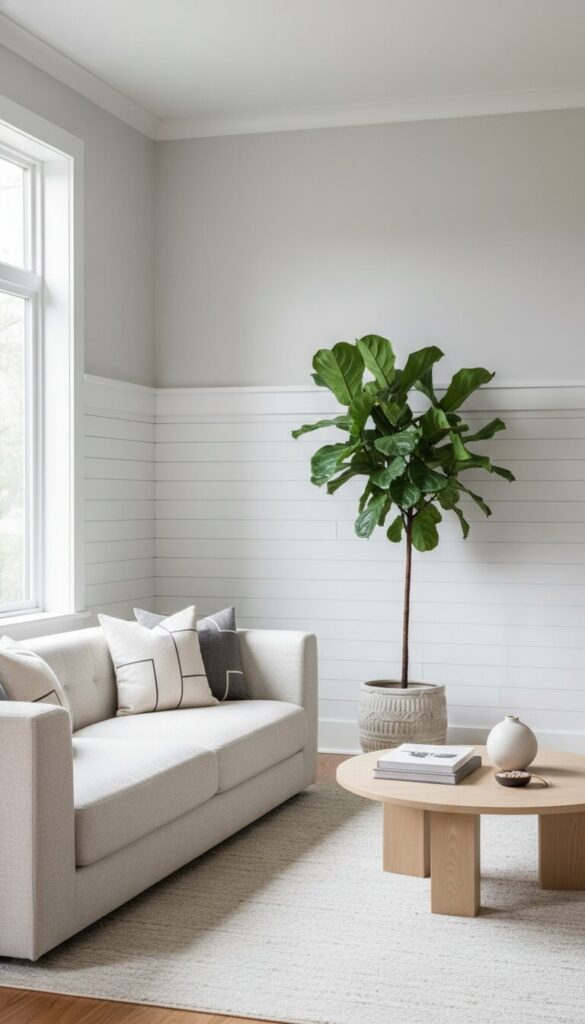
For a clean and contemporary aesthetic, modern shiplap paneling offers a fresh take on a beloved classic.
Unlike its rustic farmhouse counterpart, modern shiplap uses narrower boards and often a smoother finish, painted in a uniform, understated color like off-white, light gray, or even black.
This style provides subtle texture and linear interest without overwhelming the space.
It creates a tranquil backdrop that allows contemporary furniture and decor to truly shine, perfect for a minimalist yet cozy living room. The horizontal lines subtly expand the perceived width of the room.
Board and Batten Entryway

Transform your entryway into a welcoming and stylish space with board and batten paneling. This versatile design features vertical boards (battens) spaced evenly over a flat panel or directly on the wall, creating a clean, structured look.
It’s excellent for adding visual height and a sense of order, making a strong first impression. Consider adding hooks directly to the battens for practicality, creating a functional mudroom aesthetic without sacrificing elegance.
Painting it in a crisp white or a soft pastel can brighten a small entryway. This design can also extend up the staircase wall for continuity.
Charming Beadboard in the Bathroom

Beadboard paneling brings a sense of quaint charm and timeless appeal to any bathroom. Characterized by its narrow, vertical planks with a raised ‘bead’ between each, this style offers a relaxed, cottage-inspired feel.
It’s particularly effective in smaller bathrooms or powder rooms, where it can make the space feel taller and more expansive.
Painting beadboard in a light, cheerful color like pale blue or seafoam green enhances its charming quality.
It also provides excellent protection against splashes and humidity, making it a practical choice for bathrooms. Pair it with vintage-style fixtures for a cohesive look.
Recessed Panel in the Bedroom
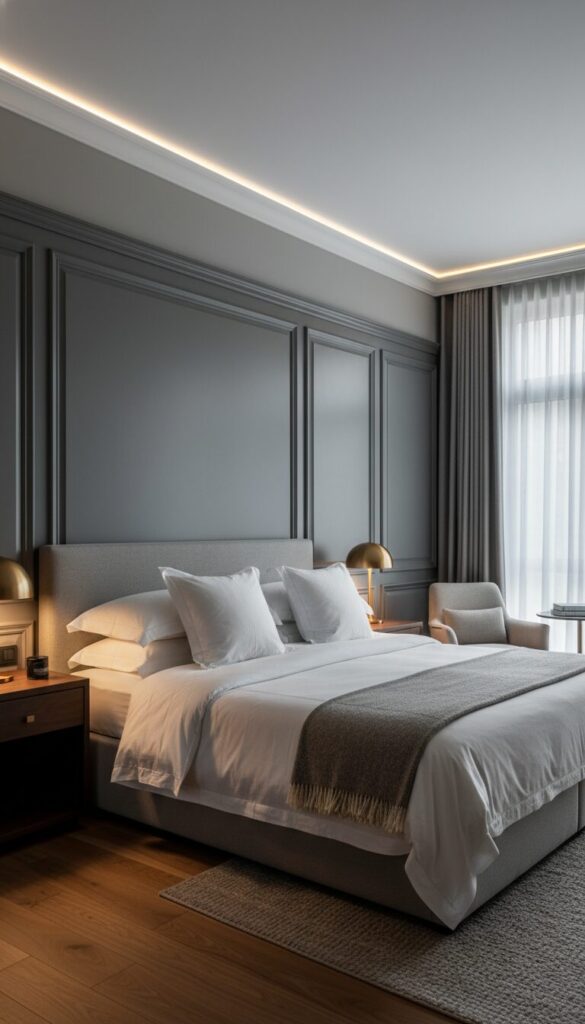
Introduce understated luxury to your bedroom with recessed panel wainscoting. This style mimics the look of traditional cabinetry, featuring flat panels set within a frame of stiles and rails.
It offers a refined and tailored appearance, providing a sense of architectural grandeur without being overly ornate.
Painting the paneling in a deep, soothing color like charcoal gray, forest green, or even a soft beige can create a dramatic and cozy atmosphere.
This design adds significant character and depth, making the bedroom feel more like a sanctuary. It can serve as a sophisticated backdrop for plush bedding and elegant furnishings.
Pro Tip: The Golden Height Formula
The standard wainscoting height is 32-36 inches (roughly one-third of an 8-foot wall), but here’s the secret: measure to align with existing architectural features.
Match your paneling height to windowsills, chair rail height, or even the back height of your furniture for a custom, intentional look that feels professionally designed rather than arbitrary.
Fluted Paneling in a Home Office

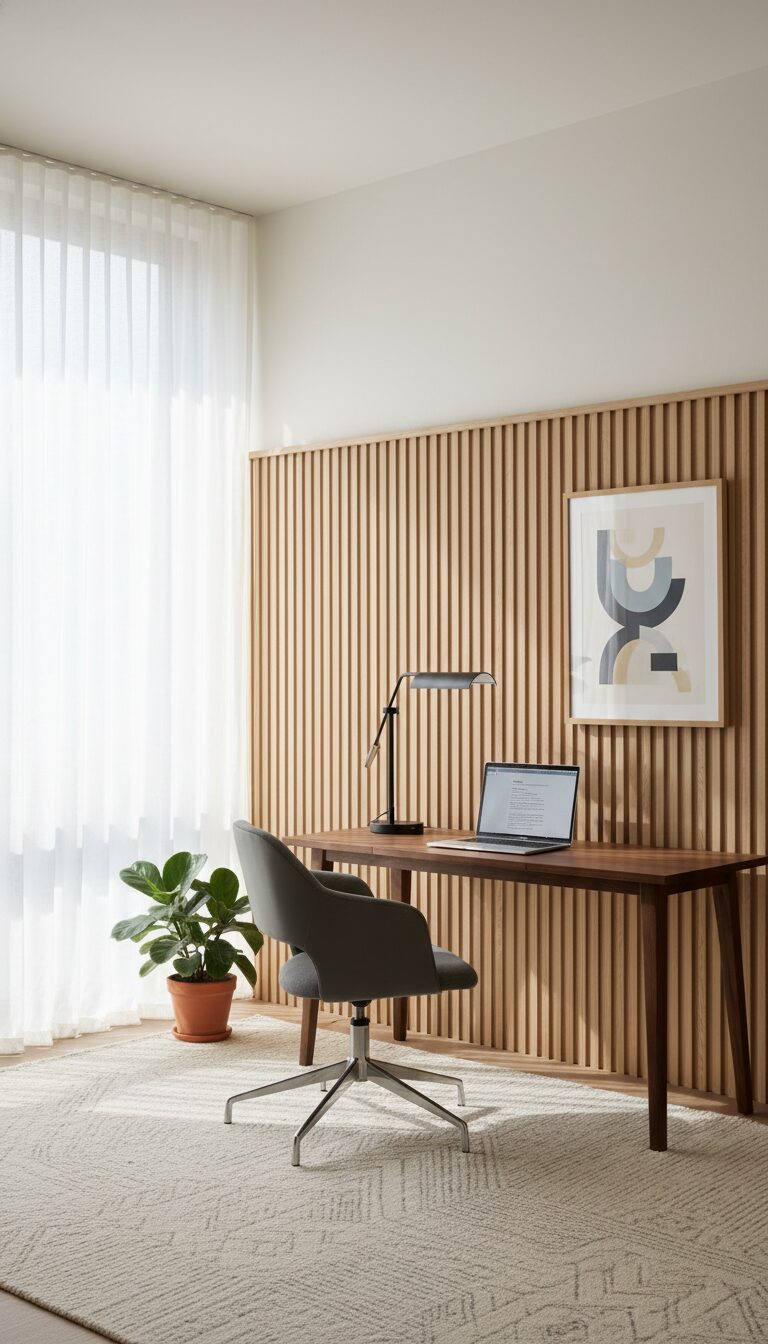
For a contemporary and sophisticated home office, consider fluted paneling. This modern take on wainscoting features vertical, convex ridges, creating a beautiful play of light and shadow.
It adds significant texture and a designer touch that feels both elegant and on-trend. Fluted paneling, often seen in a natural wood finish or painted in a sophisticated monochrome, can elevate a professional space.
It provides a visual break from flat walls, encouraging focus and creativity. The consistent vertical lines also contribute to a sense of height and expansive space.
Geometric Patterns in a Nursery
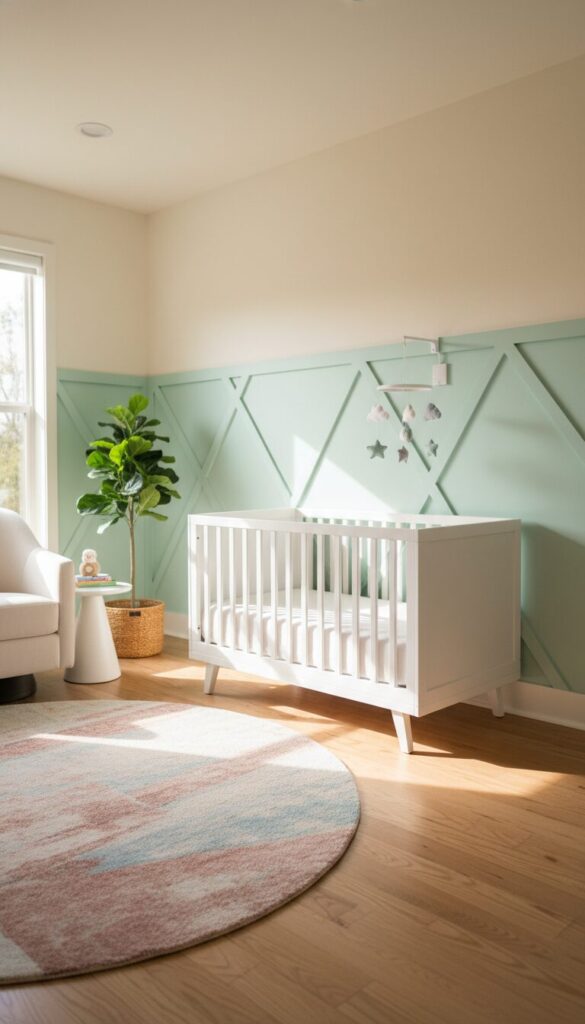
Infuse a playful yet stylish vibe into a nursery with geometric half wall paneling. This can involve using thin wood strips to create abstract shapes like triangles, squares, or even herringbone patterns on the lower portion of the wall.
Painted in soft pastels or gender-neutral tones, this modern design adds visual stimulation and a unique architectural element.
It’s a fantastic way to introduce personality and charm without needing busy wallpaper.
The geometric forms provide a modern backdrop that can grow with the child, maintaining its appeal through different stages. This approach allows for a highly customized and artistic touch.
Dark Accent Paneling in a Powder Room
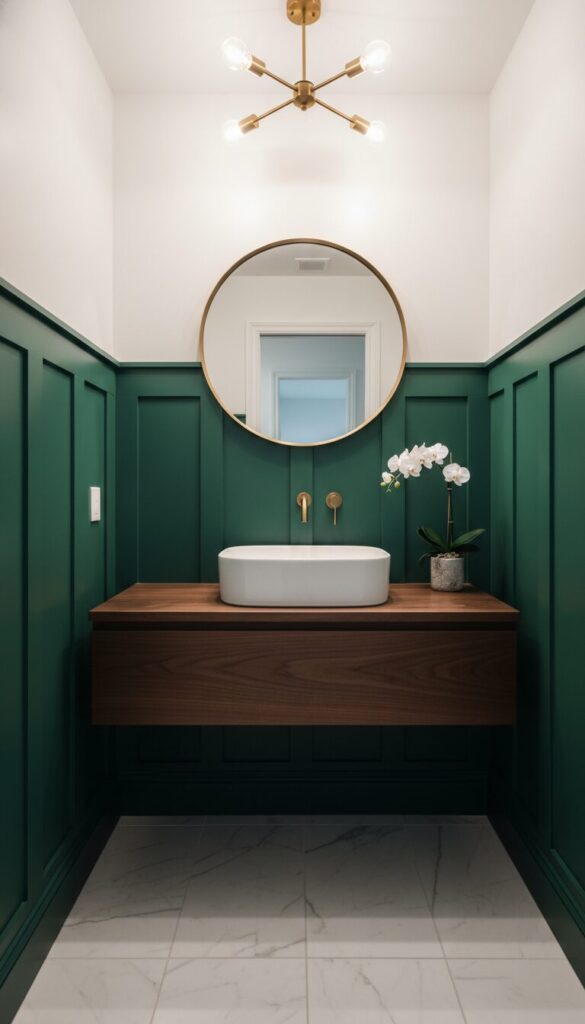
Make a bold statement in a small powder room with dark half wall paneling. Opt for deep hues like charcoal, forest green, or even black for a dramatic and luxurious effect.
This unexpected choice adds instant sophistication and can make a compact space feel incredibly elegant and moody. Pairing dark paneling with a lighter top wall color and metallic fixtures creates a striking contrast.
It’s an excellent way to introduce a touch of drama and high-end design into a frequently used, yet often overlooked, area of the home. The rich color creates a jewel-box effect.
Colorful Paneling in a Kids’ Playroom
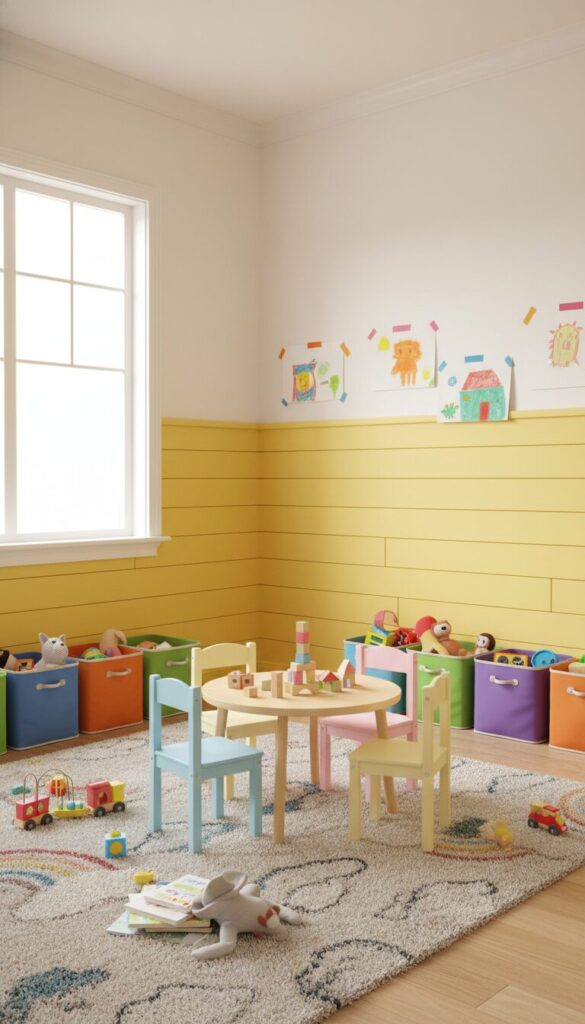
Inject vibrant energy into a kids’ playroom with colorful half wall paneling. This idea allows for a playful exploration of color, using bright hues like sunny yellow, sky blue, or cheerful orange on the paneling.
It can create distinct zones within the room and protect walls from scuffs and marks during energetic play. Pairing a bold paneling color with a neutral upper wall keeps the space feeling balanced and bright.
The visual appeal of the colorful paneling also encourages creativity and joy in children, making the playroom an even more exciting place to be. It’s a fun and practical design solution.
Two-Tone Paneling in a Hallway
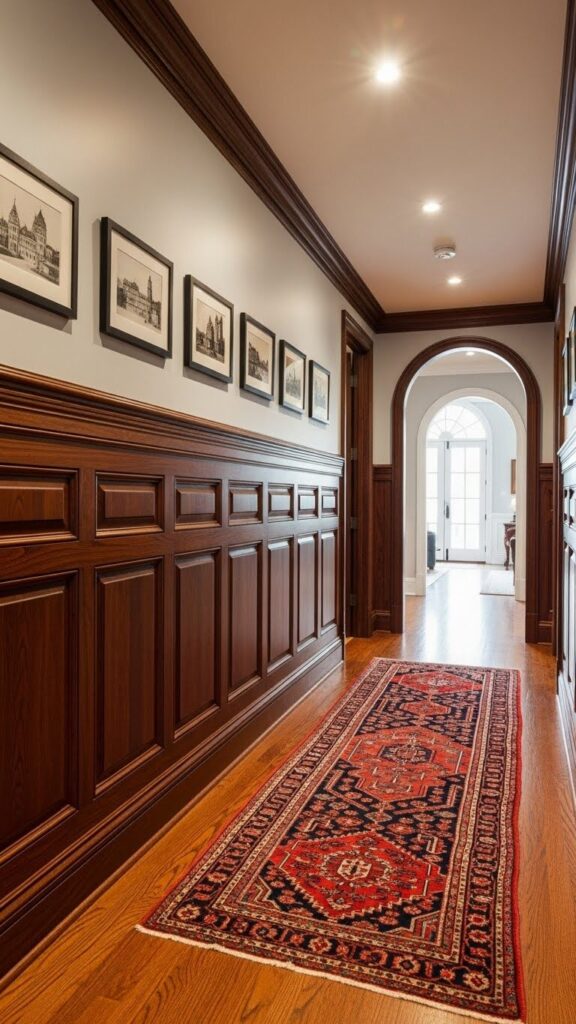
Elevate a functional hallway with two-tone half wall paneling, where the paneling itself is painted in two distinct shades.
For example, the stiles and rails could be a crisp white, while the recessed panels are a subtle gray or a muted blue. This layered approach adds depth and visual interest, making a often-overlooked area feel more thoughtfully designed.
It can help break up long, narrow hallways, preventing them from feeling monotonous. The interplay of colors creates a sophisticated architectural detail that guides the eye through the space. This technique offers a subtle yet impactful way to introduce color variation.
Rustic Wood Slats in a Farmhouse Kitchen
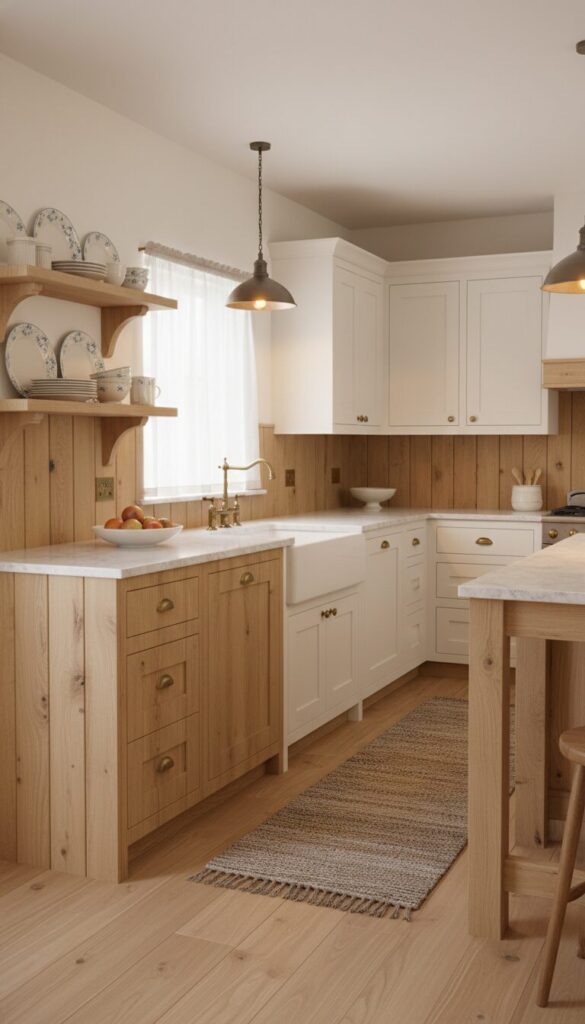
Bring warmth and organic texture to a farmhouse kitchen with rustic wood slat paneling. Instead of traditional solid panels, use evenly spaced vertical or horizontal wood slats, often left in their natural finish or lightly stained to highlight the wood grain.
This style adds a tactile and earthy element, perfectly complementing farmhouse decor. It creates a subtle but effective accent wall below kitchen cabinets or along a breakfast nook.
The natural material introduces warmth and connects the interior with rustic aesthetics, making the kitchen feel more inviting and grounded. It’s a modern interpretation of a classic farmhouse element.
Mirrored Paneling in a Glamour Bedroom
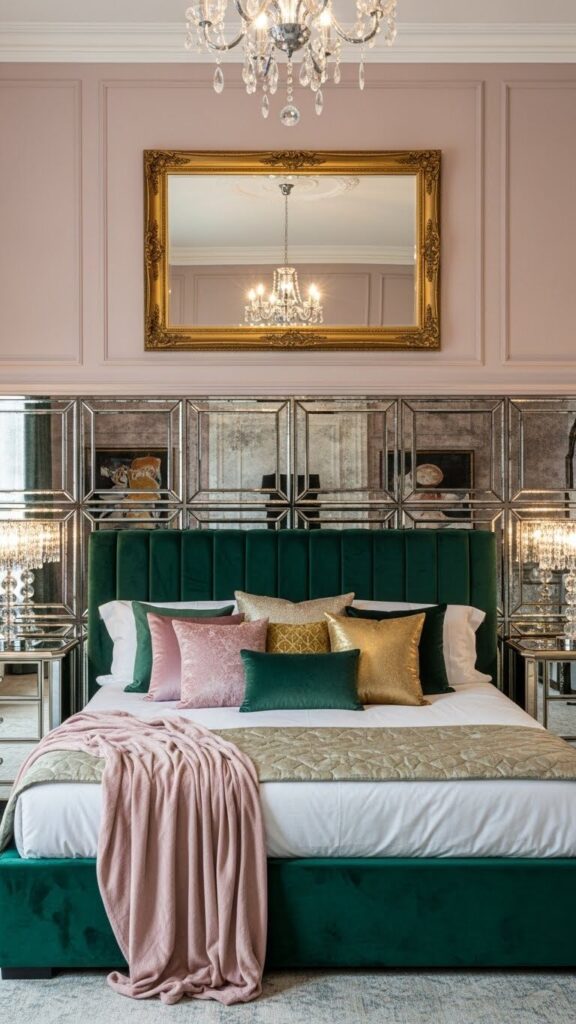
For an infusion of glamour and an illusion of expanded space, consider mirrored half wall paneling in a bedroom.
This daring and luxurious option uses mirrored panels or tiles as the lower wall treatment, reflecting light and adding a dazzling effect. It’s particularly stunning in contemporary or art deco-inspired spaces, creating a sophisticated and elegant atmosphere.
The reflective surface brightens the room and makes it appear larger, while also adding a unique design statement.
This bold choice can transform a room into a high-end, boutique hotel experience, especially when paired with plush textiles and metallic accents. It’s an unexpected and impactful design.
Textured Fabric Panels for a Cozy Reading Nook
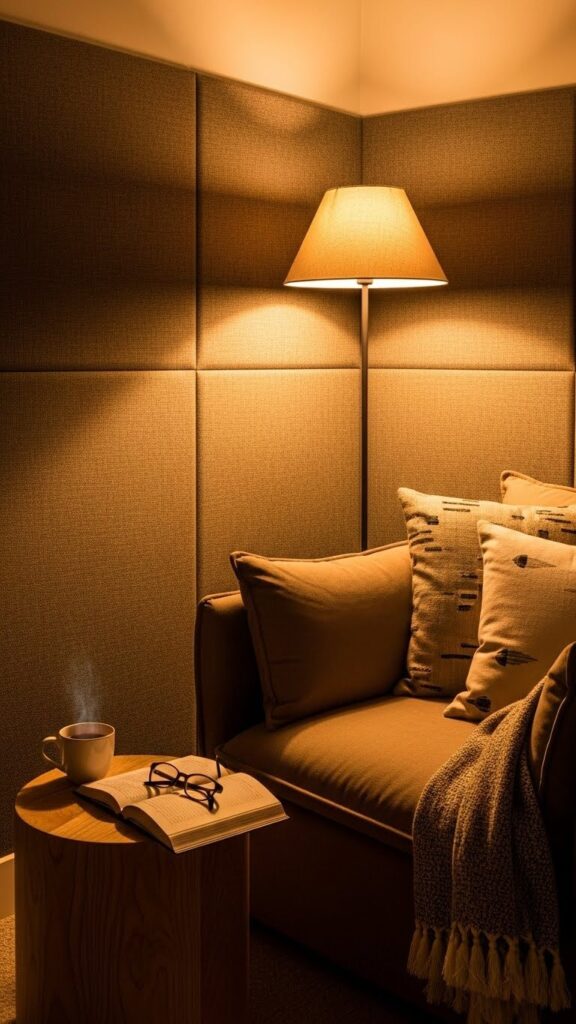
Create an incredibly cozy and inviting reading nook with textured fabric half wall panels. Instead of wood, use upholstered panels covered in soft fabrics like linen, velvet, or boucle.
These panels add warmth, acoustic dampening, and a luxurious tactile quality to the space. Choose a fabric color and texture that complements your existing decor, creating a soft backdrop for a comfortable armchair and a good book.
This unique approach to wainscoting adds an unexpected layer of comfort and sophistication. It truly transforms a corner into a designated zone for relaxation and contemplation.
Tall Half-Wall Paneling for a Staircase
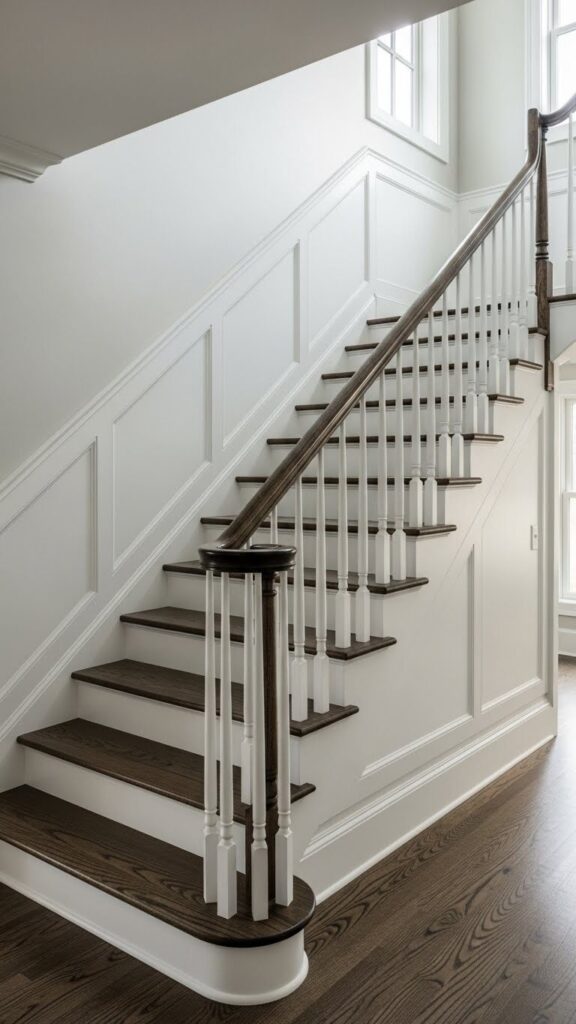
Extend the visual impact of half wall paneling by opting for a taller application along a staircase. Instead of stopping at traditional wainscoting height, extend the paneling two-thirds or even three-quarters of the way up the wall.
This creates a more dramatic and grand effect, emphasizing the verticality of the staircase and drawing the eye upwards. It also offers enhanced wall protection in a high-traffic area.
Painting the taller paneling in a crisp white or a contrasting color can create a stunning architectural feature, transforming a simple staircase into a major design statement. This ensures a consistent and elegant flow.
Painted Brick Effect Paneling for an Industrial Loft

For an industrial loft or a modern urban space, consider half wall paneling that mimics the look of painted brick.
This can be achieved using textured panels designed to resemble brick, painted over in a uniform white, gray, or black.
It offers the raw, edgy aesthetic of exposed brick without the mess or structural changes. This design choice adds a unique urban character and a sense of history to a contemporary space.
It pairs wonderfully with metal accents, exposed ductwork, and minimalist furniture, creating a cohesive and stylish industrial-chic vibe. It provides a tactile and visually interesting lower wall treatment.
Conclusion
From classic wainscoting to modern fluted designs and even unexpected mirrored or fabric textures, half wall paneling offers an incredible array of possibilities to enhance your home.
Each style brings its own unique character, whether you’re seeking to add architectural depth, protect your walls, or simply infuse a space with more personality and warmth.
By carefully considering the design, color, and height, you can transform any room into a more refined, inviting, and truly inspiring sanctuary.
Experiment with these ideas and discover how this timeless design element can beautifully elevate your living spaces.